
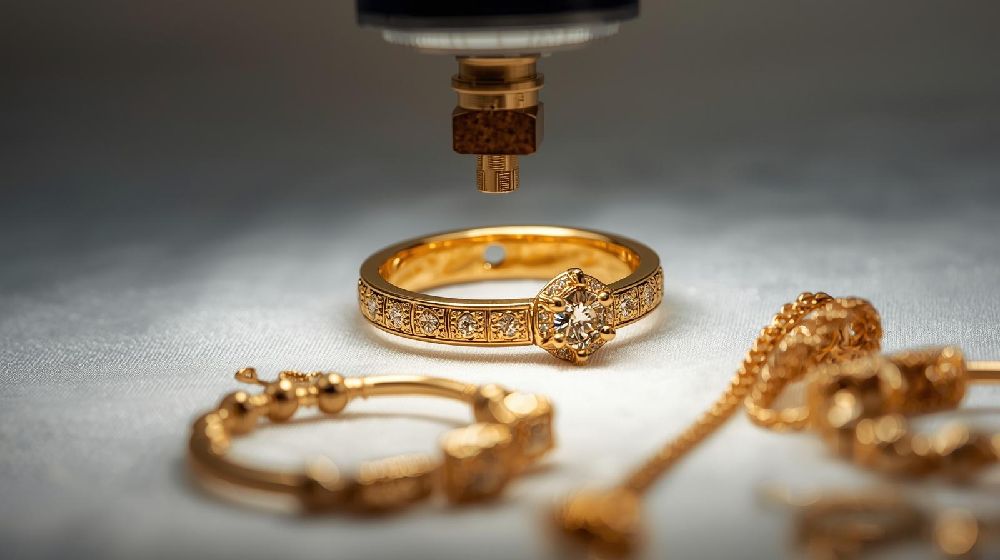
 In the competitive jewelry industry, quality is one of the most important factors that define a brand’s reputation. Customers expect gold jewelry to be durable, beautifully crafted, and precisely manufactured. For jewelry brands, maintaining consistent quality is essential to build trust and long-term customer relationships.
At DVN Jewelry, quality control plays a crucial role in every stage of the manufacturing process—from raw material inspection to the final finishing of each piece. Implementing strict quality standards ensures that every product meets the expectations of both brands and customers.
This article explains why quality control is important in gold jewelry manufacturing and what brands should look for when working with a jewelry manufacturer.
Why Quality Control Matters in Gold Jewelry Manufacturing
Gold jewelry is not just a fashion accessory; it is often considered a valuable investment and a symbol of craftsmanship. Even small defects can affect the durability, appearance, and value of a piece.
Strong quality control processes help ensure:
-
Consistent gold purity and material quality
-
Accurate design and dimensions
-
Secure stone settings
-
Smooth finishing and polishing
-
Long-lasting durability
For jewelry brands, working with a manufacturer that follows strict quality control standards reduces product returns, improves customer satisfaction, and protects brand reputation.
Key Stages of Quality Control in Gold Jewelry Manufacturing
Quality control is applied at multiple stages of the jewelry production process.
1. Raw Material Inspection
The first step in quality control begins with examining the raw materials used in production. Manufacturers verify the purity of gold and ensure that gemstones and other materials meet quality standards.
This stage helps prevent issues such as incorrect gold alloy composition or low-quality stones.
2. CAD Design Verification
Modern jewelry manufacturing often starts with Computer-Aided Design (CAD) models. Quality checks during this stage ensure that the design is structurally sound and suitable for production.
Design verification includes checking:
-
Thickness of metal components
-
Stone placement accuracy
-
Overall balance and durability of the design
Correcting potential issues at this stage helps avoid production errors later.
3. Wax Model and Prototype Inspection
Before casting the final piece, manufacturers produce a wax or resin prototype using advanced techniques like 3D printing.
Quality control teams carefully inspect these prototypes to ensure that the design details, dimensions, and structure match the original CAD model.
This step allows manufacturers to detect and fix design flaws early in the production process.
4. Casting Quality Check
Casting is one of the most critical stages in gold jewelry manufacturing. During this process, molten gold is poured into molds created from wax models.
Quality inspectors examine the cast pieces for:
-
Porosity or air bubbles in the metal
-
Incomplete casting
-
Surface defects
Proper casting inspection ensures the structural integrity of the jewelry piece.
5. Stone Setting Inspection
If the jewelry piece includes gemstones or diamonds, stone setting must be performed with precision.
Quality checks during this stage include:
-
Ensuring stones are securely placed
-
Verifying alignment and symmetry
-
Checking that the stones are not loose or damaged
Secure stone settings help prevent stones from falling out during regular wear.
6. Polishing and Finishing Control
The finishing stage determines the final appearance of the jewelry piece. Quality control teams inspect the product for:
-
Smooth surfaces
-
Consistent polishing
-
Proper plating or coating
-
Absence of scratches or marks
A well-executed finishing process enhances the beauty and luxury feel of gold jewelry.
7. Final Quality Inspection
Before packaging and delivery, every jewelry piece undergoes a final quality check. This inspection verifies that the product meets all design specifications and quality standards.
Manufacturers examine:
-
Weight and dimensions
-
Stone security
-
Surface finishing
-
Overall craftsmanship
Only pieces that pass this final inspection are approved for shipment.
Quality Standards Jewelry Brands Should Look For
When choosing a manufacturing partner, jewelry brands should ensure the manufacturer follows reliable quality control practices. Important factors include:
-
Skilled craftsmen and experienced quality inspectors
-
Modern manufacturing technology
-
Consistent material testing
-
Detailed inspection processes at every stage of production
-
Reliable finishing and polishing techniques
These practices help ensure consistent quality across large production volumes.
How DVN Jewelry Ensures High Manufacturing Standards
At DVN Jewelry, quality control is integrated throughout the entire jewelry manufacturing process. Each piece is carefully inspected at multiple stages to ensure it meets strict craftsmanship and design standards.
By combining advanced technology, skilled artisans, and detailed quality inspection procedures, DVN Jewelry delivers gold jewelry that meets the expectations of modern brands and customers.
Conclusion
Quality control is a critical element in gold jewelry manufacturing. From raw material inspection to final finishing, each step plays an important role in ensuring durability, beauty, and customer satisfaction.
For jewelry brands, partnering with a manufacturer that prioritizes quality control can make a significant difference in product consistency and brand reputation. With strong manufacturing processes and attention to detail, companies like DVN Jewelry help brands deliver high-quality gold jewelry that stands out in the market.